
House Leveling in New Braunfels, TX
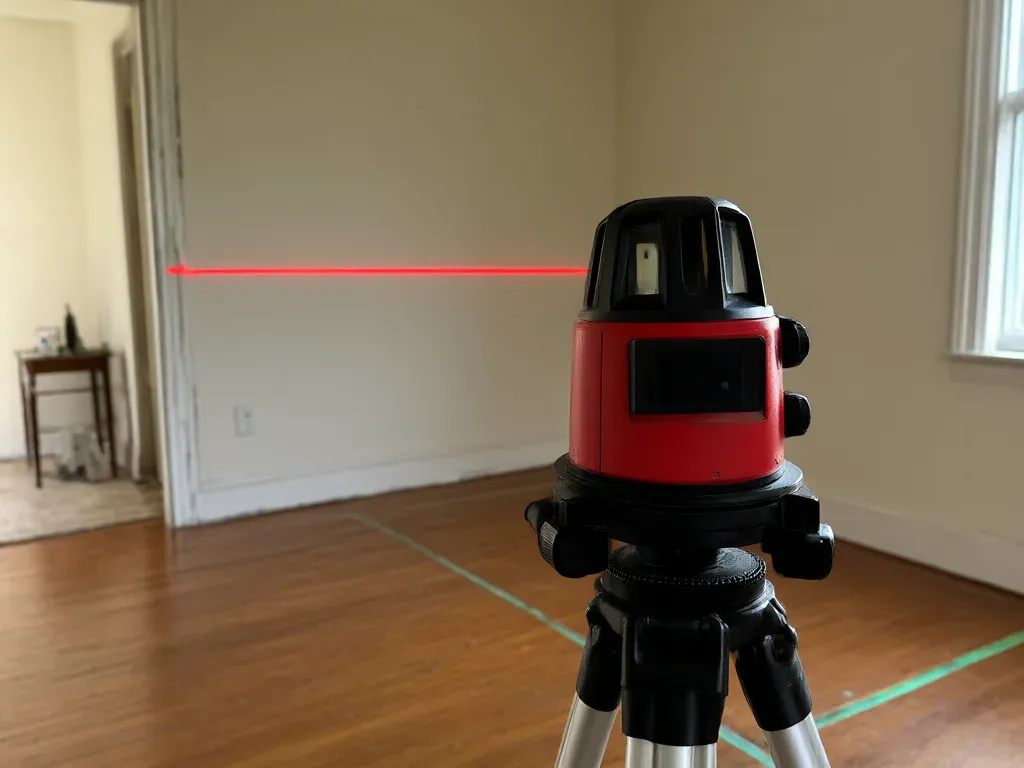
New Braunfels Superior Foundation Repair offers professional house leveling in New Braunfels, TX with 23 years of lifting slab and pier and beam homes back toward level. We level houses on new pressed concrete pilings, re-level existing piers with steel shims, and raise sagging pier and beam floors from the crawl space. Every lift is read with a digital manometer, room by room, while it happens.
Good house leveling stops at the right height, not at dead flat. Older framing has taken a set, and pushing it too far cracks drywall and racks door frames. We lift in stages to a target an independent engineer signs off on, and releveling a pier and beam house costs $1,400 to $4,800.
Get a FREE Estimate
Or call (830) 221-9409
House Leveling Options
Slab House Leveling on New Piers
On a slab that has dropped, the leveling happens once the piers are set. Jacks sit on the new pilings under the beam, and we lift in small increments while a tech reads the floors inside. When the slab reaches height, steel shims lock it there.
Pier and Beam House Leveling
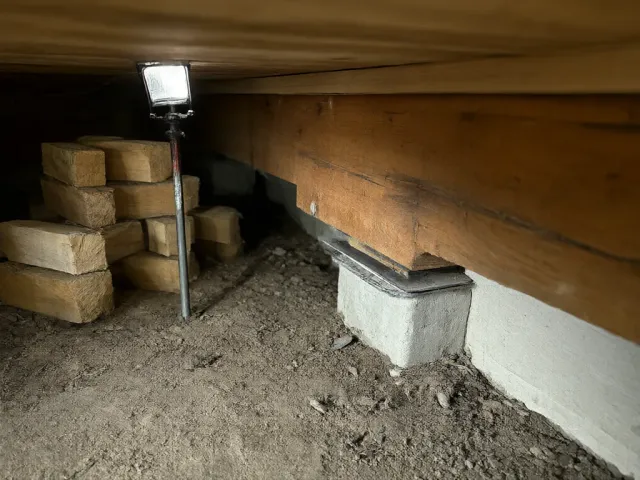
From the crawl space, we jack each girder off its pad, replace crushed or rotted shims with steel, and bring the floor back up in steps. It's quieter and less invasive than slab work and usually takes 1 to 2 days.
Re-Leveling Existing Piers
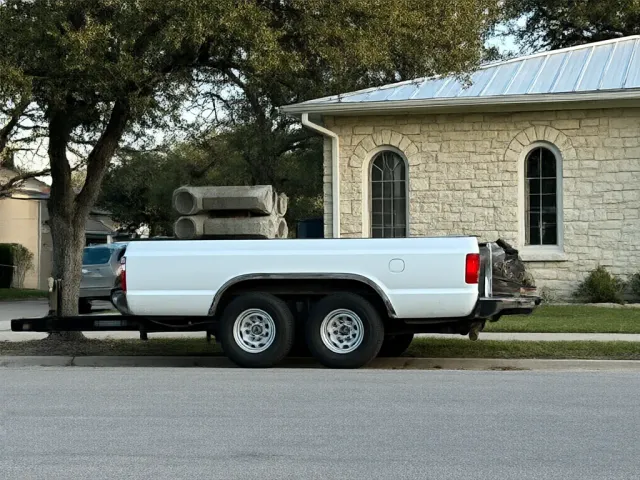
Piers that were pressed to refusal, by us or anyone else, often just need new shims after the soil shifts. We inspect them free, adjust the ones that need it and leave the rest alone.
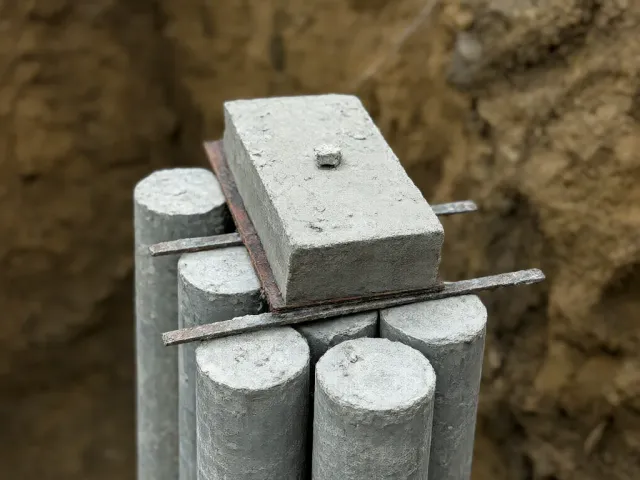
Partial Leveling for One Corner or an Addition
Sometimes one corner drops, or a room addition built on a lighter foundation pulls away from the house. We level just that section and tie it back to the main foundation, often with helical piers under the addition.
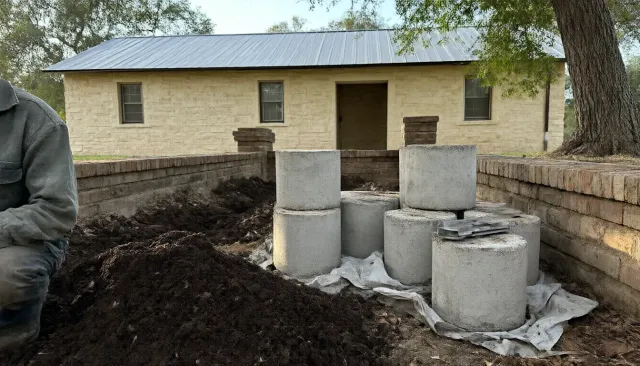
Staged Leveling for Older Houses
A house that's been out of level for decades won't take a full lift in one day. We lift part of the way, let the framing and plaster adjust, and come back for the rest when the walls show us they're ready.
Before and After
How We Set a House Leveling Target
Before we lift anything, we take a full floor elevation survey with a digital manometer. We pick a reference point, usually a spot that hasn't moved, and read every room against it. Every reading more than 1 inch off gets marked on the sketch.
The target comes from the readings, the house and the engineer. Many Texas engineers work from the Texas Section of ASCE's residential foundation guidelines, which treat roughly 1 percent tilt or an L/360 deflection as the point where repair is usually considered. Your engineer sets the final number.
Dead level is rarely the goal. Most houses weren't perfectly flat the day they were built, and a house that has sat out of level for years has framing that's adjusted to it.
What Happens Inside the House During a Lift
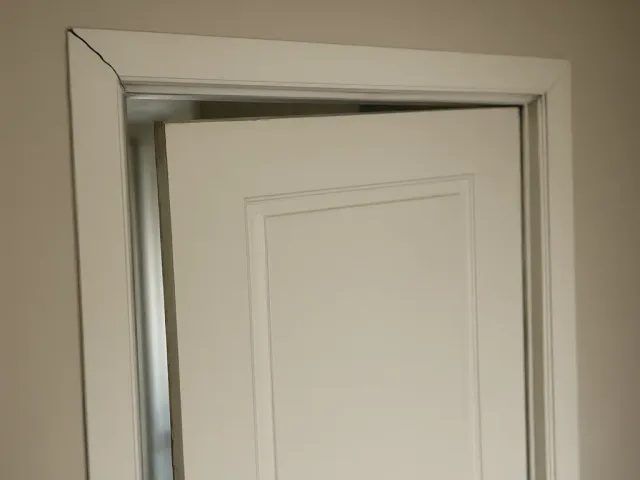
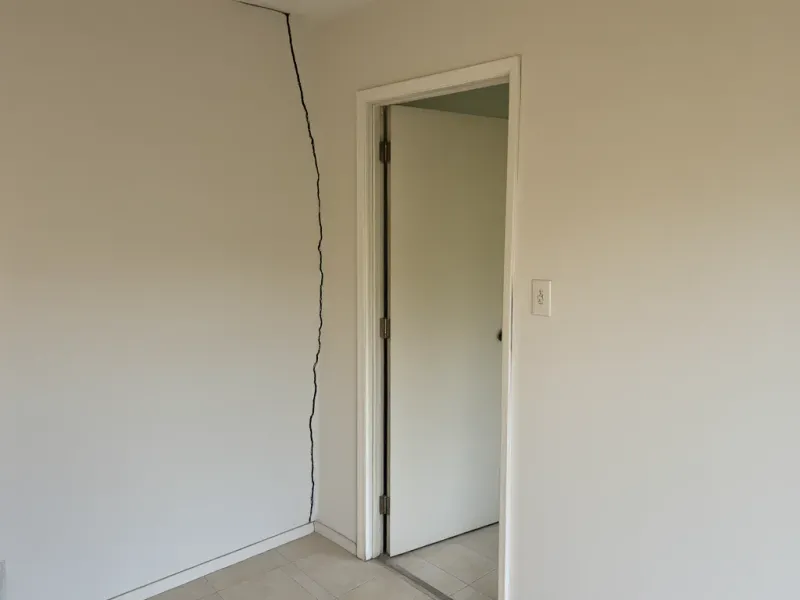
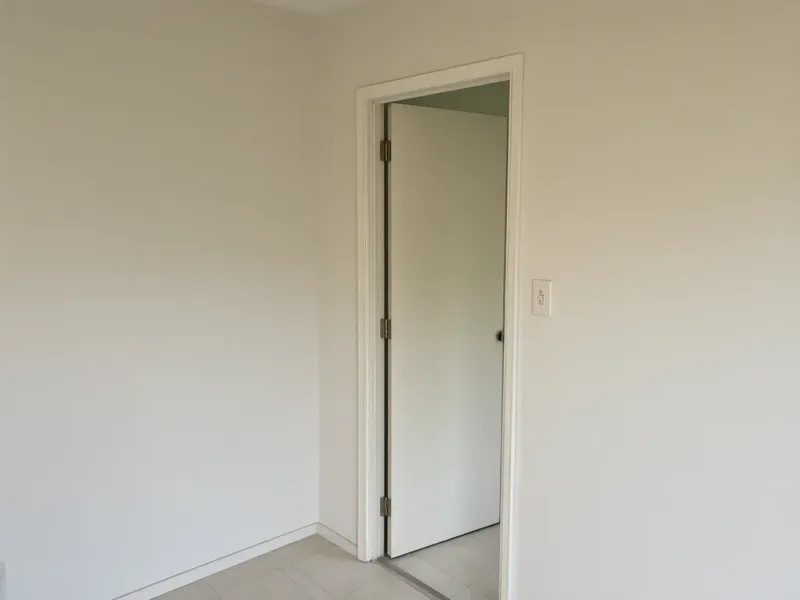
Expect some noise and some movement. Doors that stuck may suddenly swing free, and a few that worked fine may need a hinge adjustment. Drywall cracks often narrow, while new hairlines can show up somewhere else.
Tile and stone don't flex, so tile that's already cracked stays cracked. Cabinets and countertops usually come back toward the wall, though caulk lines may need redoing. We tell you which of these to expect before we start.
Plumbing During a Slab Lift
Drain lines under a slab move with it. A licensed plumber runs a static test before and after every slab lift, for $275 to $425, so a leak that was already there doesn't get blamed on the lift and a new one doesn't get missed.
When House Leveling Isn't the Answer
If the readings stay within about an inch and the doors work, leveling the house can cost more than the problem it fixes. Fix the drainage, keep the soil evenly damp and call us if the readings change.
Leveling also won't hold on its own when water is driving the movement. If a downspout keeps soaking one corner, that corner will move again. We tell you that up front, and we put it in writing.
Our House Leveling Process
Survey
A full floor elevation survey with a digital manometer, plus a look at doors, cracks and drainage.
Target and plan
We set the leveling target with the engineer and show you where every pier or shim stack goes.
Prepare
Permit, utility locates and the first plumbing test on slab homes. Fragile things come off the shelves on walls we'll be lifting.
Lift in stages
Jacks go under the beam or girders, and we lift in small increments while the manometer reads each room.
Lock and verify
Steel shims lock the height, we run a final survey, and you get the before-and-after readings in writing.
House Leveling FAQs
How much does house leveling cost?
A pier and beam releveling runs $1,400 to $4,800. Slab leveling is priced with the piers, and most slab jobs land between $4,800 and $13,500 for 10 to 20 piers.
How long does it take to level a house?
Pier and beam leveling usually takes 1 to 2 days. A slab lift on new pressed pilings takes 1 to 3 days, piers included.
Can a house be leveled too much?
Yes. Over-lifting cracks drywall, pops tile and stresses plumbing. We lift to the engineer's target in stages, and in a hard drought we don't chase the last bit, because the clay swells back when the rain returns.
Will my doors work after leveling?
Most do. A few may need a hinge or strike plate adjustment once the house settles onto its new height, and we take care of those before we leave.
Do I have to leave the house while it's leveled?
No. You can stay home. We'll ask you to keep the hallways clear and take fragile things off shelves on the walls being lifted.
Find Out How Far Out of Level You Are
Call (830) 221-9409 or send the form. We'll read every room for free and show you the numbers before anyone talks about a lift.