
New Braunfels Superior Foundation Repair | Slab Repair, Pier & Beam Leveling & Foundation Drainage for Homes and Businesses
New Braunfels Superior Foundation Repair has handled foundation repair in New Braunfels, TX since 2003, with 3,050+ foundations repaired under owner Hank Vogel. We do slab foundation repair, pier and beam foundation repair, house leveling, foundation crack repair, foundation drainage and root barrier installation. Our crews press 6 by 12-inch concrete pilings to refusal, drill bell-bottom piers, and drive steel push piers or screw in helical piers where the soil calls for them. Every pier we install carries a lifetime warranty that transfers when you sell.
Already had work done by another company? We re-shim, adjust and re-level existing piers, and we'll tell you straight when an old repair only needs a tune-up. Texas has no statewide foundation contractor licence, so we pull city permits wherever they're required and carry general liability and workers' comp insurance on every crew. An independent licensed professional engineer reviews each lift plan and signs off afterward, and a licensed plumber runs a static test before and after every slab lift.
Get a FREE Estimate
Or call (830) 221-9409
Why Homeowners Choose Us as Their Foundation Contractors
23 Years on Local Clay, Insured on Every Crew
Since 2003 we've repaired 3,050+ foundations, with general liability and workers' comp on all four crews.
Priced Per Pier in Writing, Lifetime Pier Warranty
Pressed pilings run $375 to $475 each, and every pier we install is covered for life and transfers.
Free Inspection With a Full Floor Elevation Survey
We read every room with a digital manometer and hand you the numbers and a sketch at no charge.
Inspected in 2 Business Days, Lifted in 1 to 3
Call before 3pm for a same-day callback, and the inspection lands on your calendar within 2 business days.
Steel Shims, Cap Blocks and an Independent Engineer
Every piling gets a concrete cap and steel shim stack, and an engineer we don't employ signs off.
Residential Foundation Repair Services in New Braunfels
Every job starts with readings, not a guess from the curb. Here's the work our four crews do on houses around town.
Slab Foundation Repair
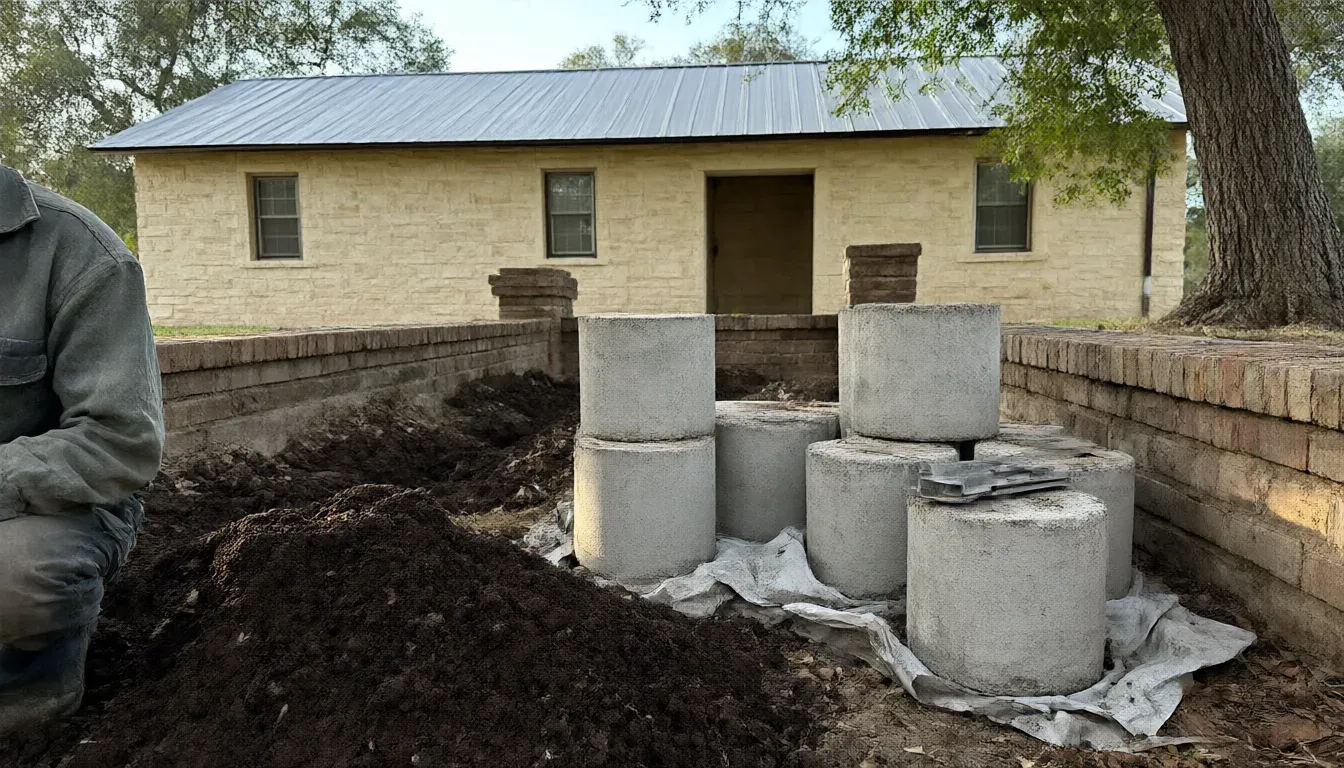
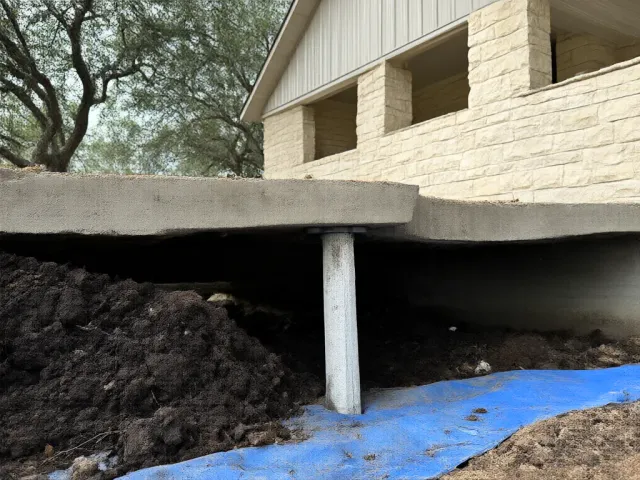
Most homes built here since the 1960s sit on a concrete slab, and most slab trouble is clay shrinking away from the grade beam. We dig beside the beam, press concrete pilings 10 to 18 feet to refusal, and lift with hydraulic jacks while we watch the readings. Exterior pilings run $375 to $475 a pier.
Pier and Beam Foundation Repair
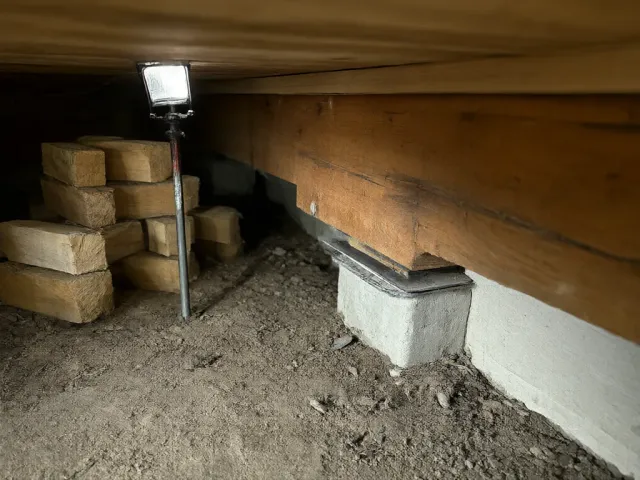
Older frame houses and plenty of rural homes sit on piers and beams over a crawl space. We replace rotted cedar stumps with concrete pier pads, swap crushed wood shims for steel, and sister or replace soft sills. New pads run $350 to $600 each.
House Leveling
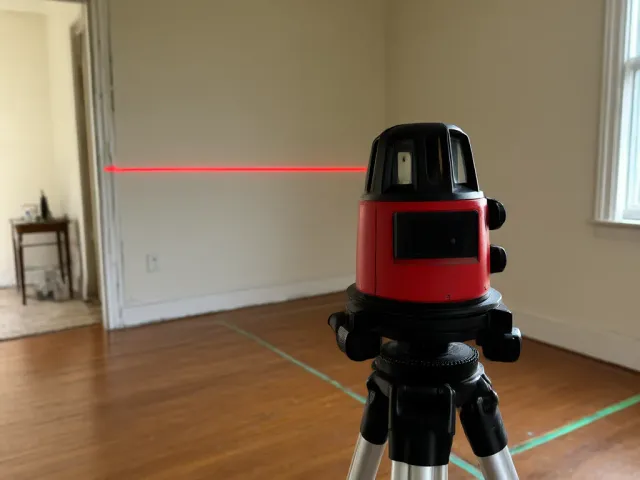
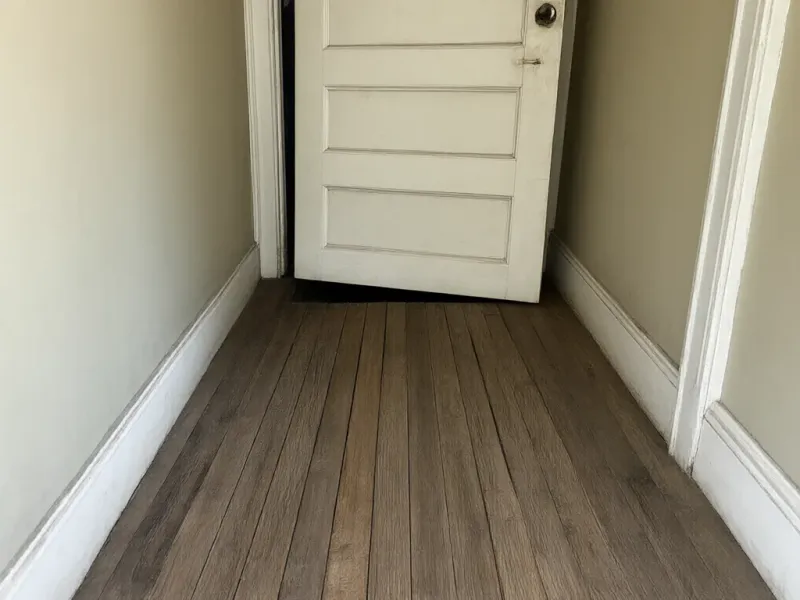
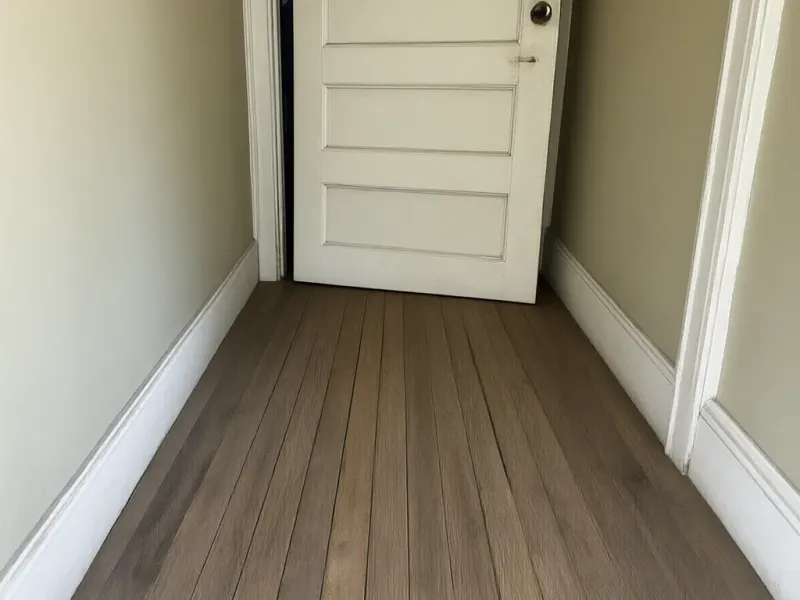
House leveling is the lift itself: bringing floors back toward level so doors latch and cabinets stop pulling off the wall. We lift in stages while a manometer reads each room, and we stop at the engineer's target instead of chasing dead flat. A pier and beam releveling runs $1,400 to $4,800.
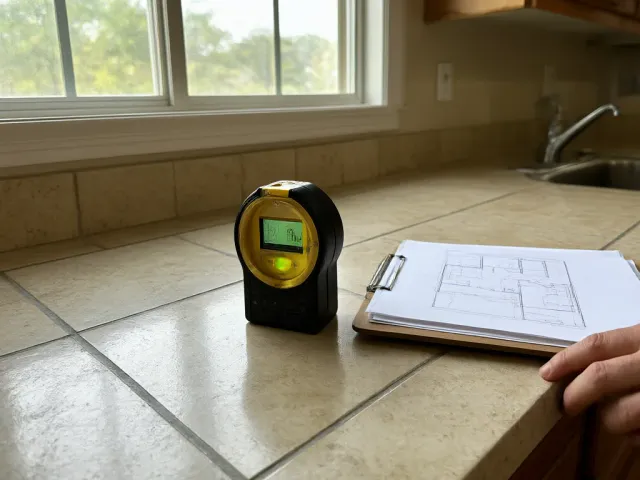
Foundation Inspection
Our foundation inspection is free and takes 60 to 90 minutes. You get elevation readings for every room, a sketch of the high and low spots, photos of the cracks and a written estimate, or a straight answer that you don't need us yet.
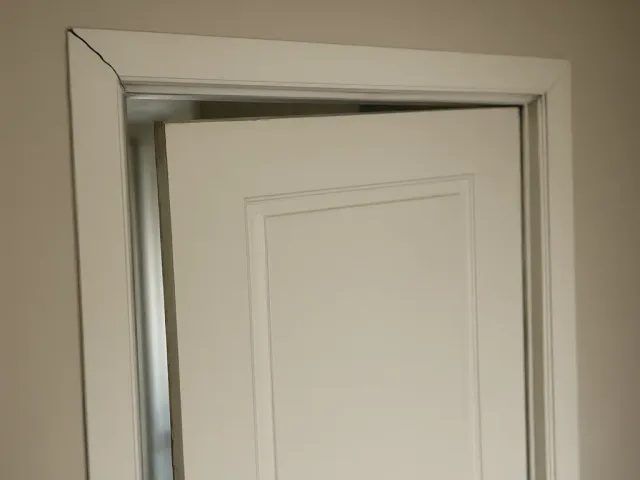
Structural Foundation Repair
When a grade beam has cracked through, one corner has dropped well past the rest, or an addition is pulling away, shims won't cut it. We work from an independent engineer's plan that can call for bell-bottom piers, beam repair or added interior support. The engineer's letter runs $450 to $650.
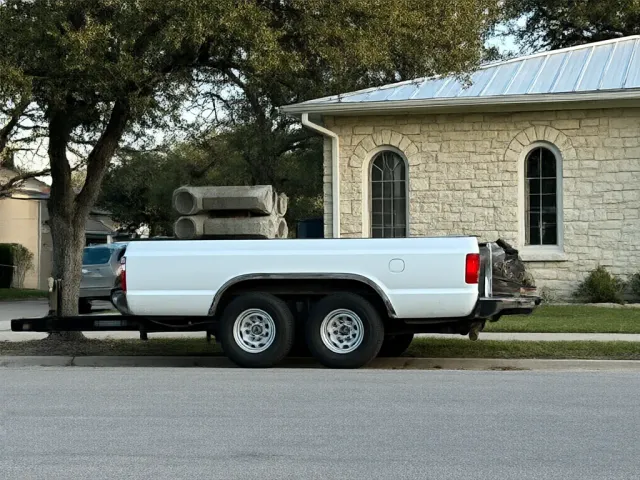
Foundation Piers and Concrete Piering
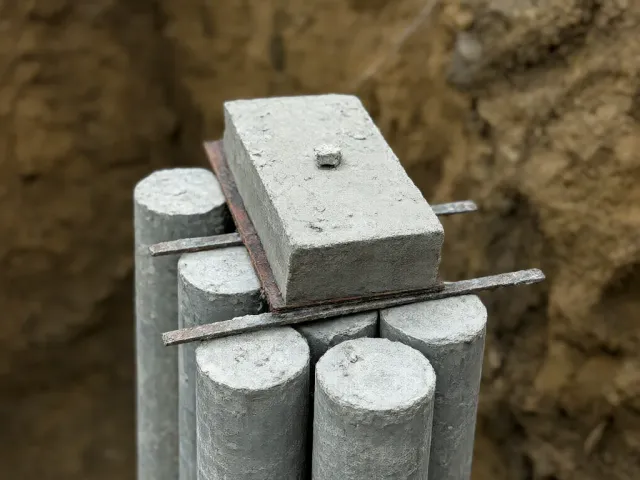
Pressed concrete pilings are stacks of 6 by 12-inch precast cylinders, pushed down with a hydraulic ram until they stop moving. Drilled bell-bottom piers are poured in place with a 24 to 30-inch bell for heavy loads. Either one goes in 6 to 8 feet apart along the beam.
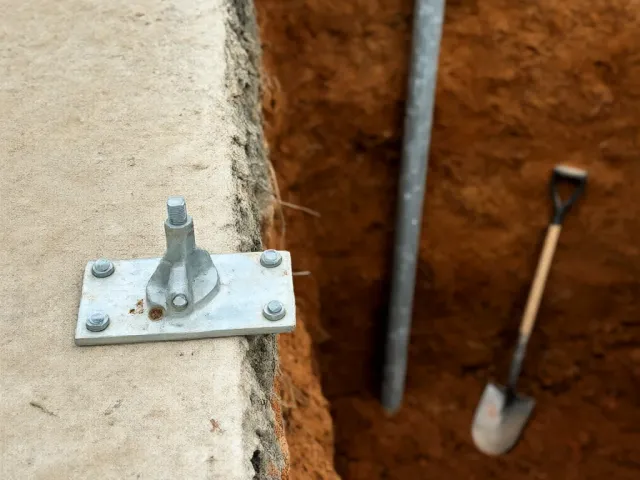
Steel Push Piers
Steel push piers are 2-7/8-inch galvanized tubes driven with the weight of the house until they reach load-bearing strata. They go deeper than concrete and give us a measured load on every pier. At $1,350 to $2,100 each, we use them where depth or a proof load matters.
Helical Piers
Helical piers screw into the ground like a giant auger, and the install torque tells us what each one will carry. They suit porches, room additions, light structures and spots where a push pier can't build enough resistance. Expect $1,650 to $2,700 per pier.
Foundation Crack Repair
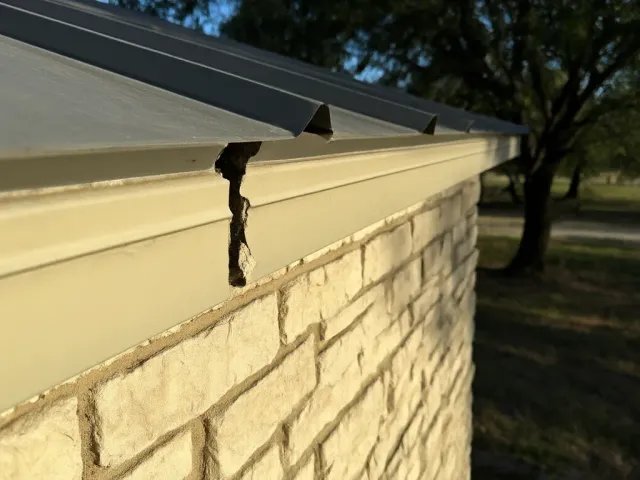
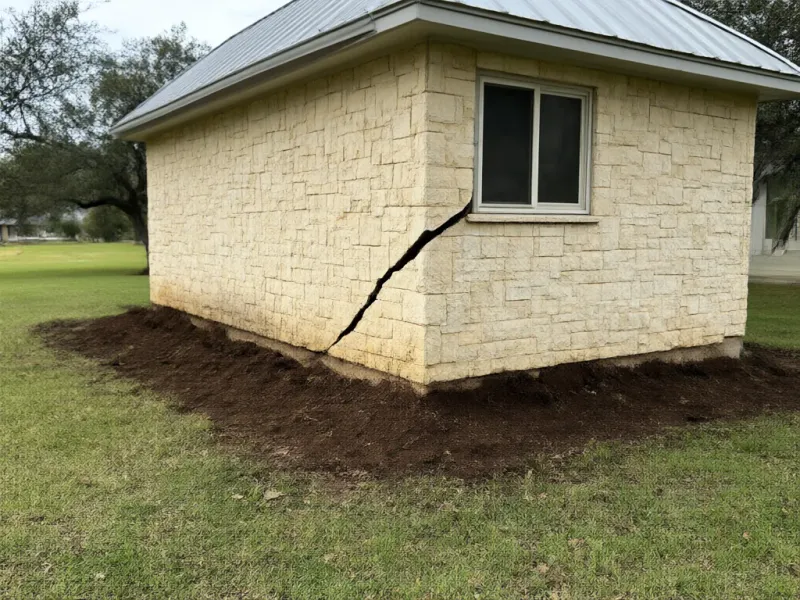
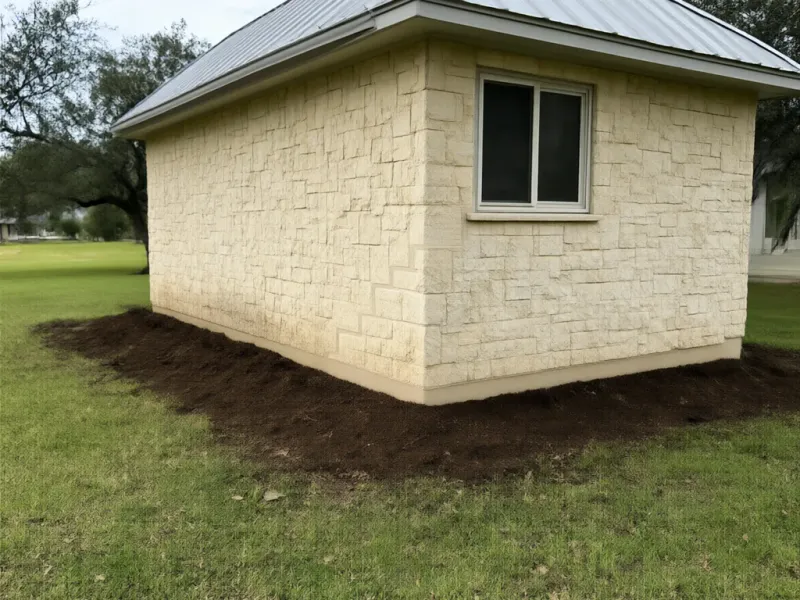
Hairline shrinkage cracks in a slab are normal. Cracks that leak, widen or show up with sticking doors aren't. We inject structural cracks with epoxy or polyurethane at $450 to $850 a crack and repoint stair-step brick cracks once the movement is stopped.
Root Barrier Installation
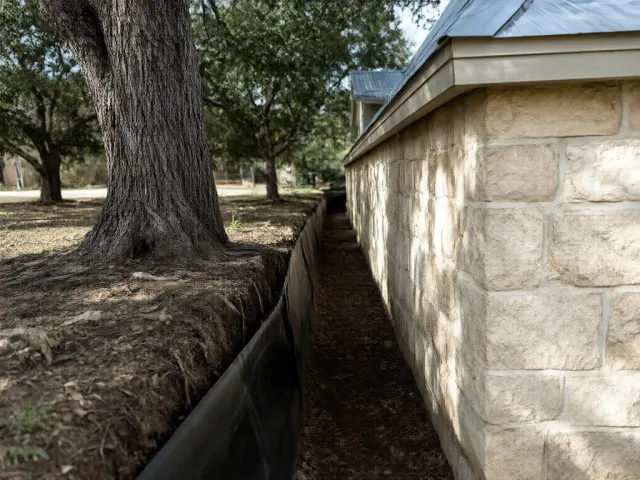
Live oaks, pecans and cedar elms can pull a lot of water out of the clay under one side of a slab. We trench 48 inches deep, 4 to 6 feet off the foundation, and set a 60-mil HDPE barrier so the roots go somewhere else. Most jobs run $30 to $48 a linear foot.
Foundation Drainage
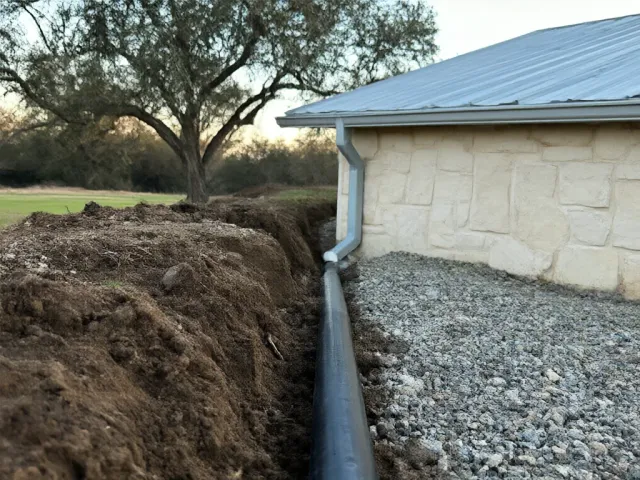
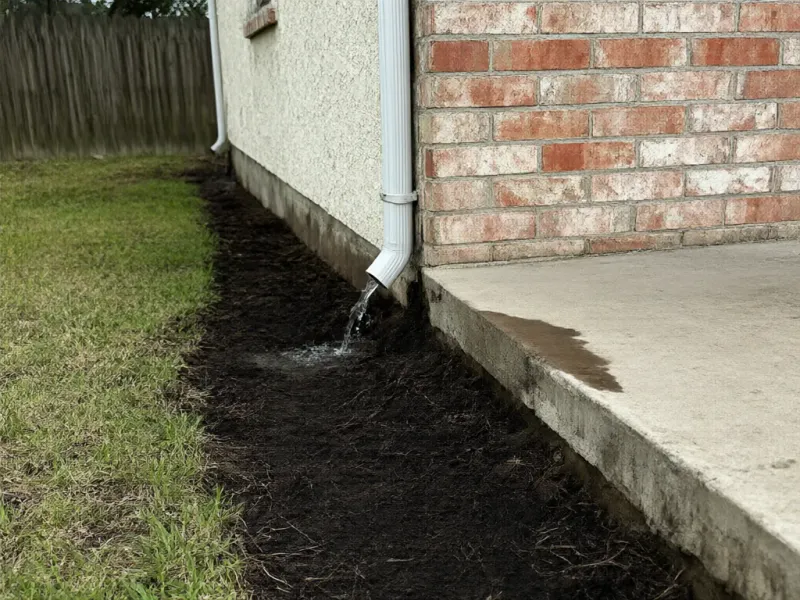
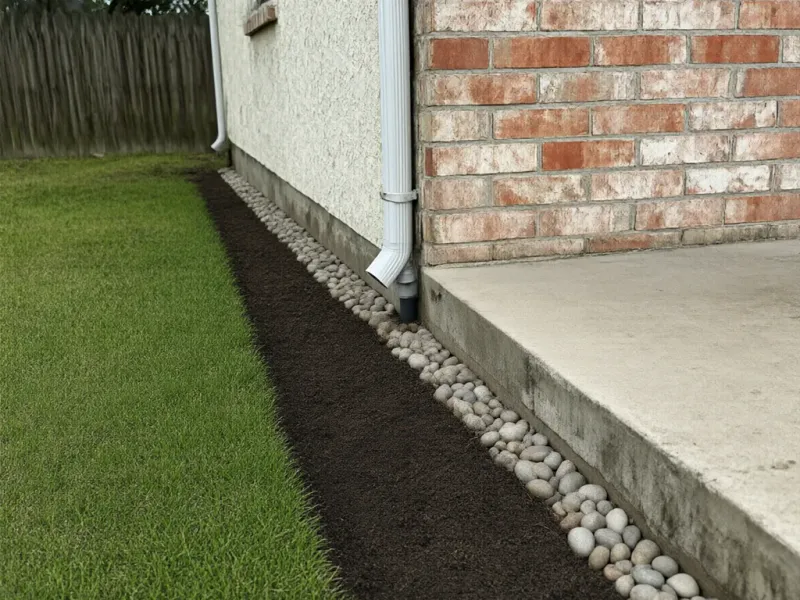
Water dumping against one side of the slab swells the clay there and leaves the other side dry. We fix it with downspouts carried at least 5 feet out, regrading so the ground falls 6 inches in the first 10 feet, and French drains built with 4-inch perforated pipe.
Before and After
Commercial Foundation Repair Contractors for Local Properties
Commercial slabs carry heavier loads and come with tenants, schedules and engineering specs. We work to all three.
Apartments, Duplexes and Fourplexes
Property managers call us for one building or a whole complex. We pier one building at a time, keep walkways open, and send the engineer's letter and pier logs for your files. Most buildings run $9,500 to $38,000 each.
Retail Strip Centers and Restaurants
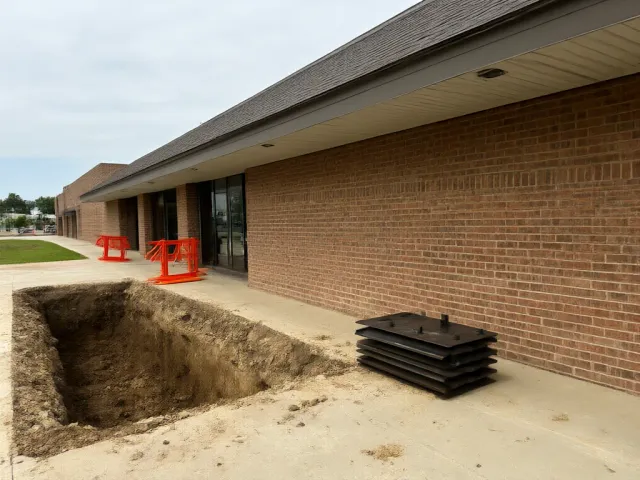
Storefront slabs crack at the entry and pull away from canopy columns. We stage the excavation around business hours, barricade the walk, and use steel push piers where loads are heavy or the clay runs deep.
Offices and Medical Clinics
A sloped floor in a clinic is a trip hazard and a door-closer headache. We coordinate the permit and the engineer, and break out interior slab sections in stages so exam rooms stay open.
Churches and Schools
Older fellowship halls and classroom wings on pier and beam need the same pads and shims as a house, just more of them. We schedule around services and the school calendar.
Warehouses and Light Industrial
Slab-on-grade warehouses settle at dock walls and column footings. Once the engineer sizes them, we drill bell-bottom piers with 12-inch shafts and 24 to 30-inch bells under the point loads.
Specialty Foundation Services
Re-Leveling an Old Repair
If another company pressed your piers to refusal, they often still work and just need new shims. We inspect old repairs at no charge. We'll quote an adjustment instead of a full job if that solves the problem.
Foundation Watering Systems
A drip or soaker line 12 to 18 inches out from the slab, on a timer, keeps clay moisture steady through August. We install them for $650 to $1,400 and set the schedule with you.
Historic Home Foundations
Houses from the 1800s with limestone or fachwerk require patience, soft mortar, and hand digging. We get the Certificate of Alteration sorted before we dig in the city's four historic districts.
Pre-Purchase Foundation Reports
Buying a home? We'll check the floor elevations before your option period ends. We look for old repairs and tell you what to budget. The inspection is free and we can talk through the results with your agent.
Why We're the Best Foundation Repair Contractor for New Braunfels Soil
A foundation repair is only as good as the ground it reaches. Pressing a piling to refusal is a bit like a doctor taking a pulse instead of guessing from across the room: the piling tells you when it has found something solid. Hank Vogel has worked that way since 2003, and the 14 people here now work the same way.
Below is what that looks like on a real job: the five steps, the materials we put in the ground, and the failure modes we see over and over on local houses.
How a Foundation Repair Job Runs, Start to Lift
Free inspection and readings
Hank or a lead tech reads every room with a digital manometer, checks doors, cracks, drainage and trees, and sketches the high and low spots. It takes 60 to 90 minutes.
Engineer review and written estimate
For lifts, an independent Texas-licensed engineer reviews the readings and the pier plan. You get a line-item estimate with every pier priced, good for 30 days.
Permit, utility locates and the first test
We pull the city permit where it's required, call in utility locates, and a licensed plumber runs a static test on the drain lines before anything moves.
Piers and the lift
Crews dig beside the beam, press or drive each pier, then lift in stages with the manometer reading as we go. Most pressed-piling jobs take 1 to 3 days.
Second test, engineer's letter and cleanup
The plumber tests again, the engineer signs the post-repair letter, and we backfill, patch and haul off the spoil. You pay after you've walked the house with us.
Pressed Concrete Pilings, Cap Blocks and Steel Shims
Pressed pilings are the workhorse on local slab homes. Each one is a stack of 6 by 12-inch precast concrete cylinders, pushed down with a hydraulic ram one at a time until the stack stops moving. In the clay east of I-35 that's usually 10 to 18 feet.
On top goes a concrete cap block, then a stack of steel shims under the beam. Steel doesn't rot or crush the way the wood wedges some crews still use do. That's what makes a lifetime pier warranty workable: if a section ever needs an adjustment, we add or pull a shim.
Drilled Bell-Bottom Piers Under Heavy Loads
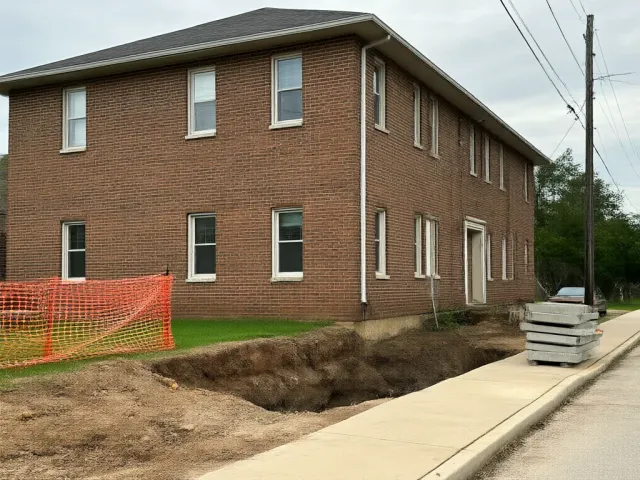
Two-story brick, stone veneer and commercial slabs put a lot of weight on a few points. For those we drill a 12-inch shaft 10 to 12 feet down, or into rock, and bell out the bottom to 24 to 30 inches so the load spreads.
The cage is half-inch rebar and the pour is 3,000 PSI concrete. The piers cure 7 days before we set the beam on them, which is why these jobs take 3 to 5 days instead of 1 to 3. They run $950 to $1,450 a pier, and on the right house they're worth every day of the wait.
Steel Push Piers and Helical Piers, and When We Use Them
Steel push piers use the house itself as the reaction weight. We drive 2-7/8-inch galvanized tube sections until the pier reaches load-bearing strata, and we can read the load on every one. They make sense where clay runs deep or the engineer wants a proof load.
Helical piers twist in instead of pushing down. The torque on the drive head tells us the capacity, so they work for porches, room additions and light structures that don't weigh enough to drive a push pier. Neither one is our default. We spec them when the soil asks for it.
Branyon and Houston Black Clay on the East Side
USDA soil maps put Branyon clay under much of New Braunfels east of I-35, and Houston Black clay shows up across the county line in Guadalupe County. Both are rated very high for shrink-swell. They swell after a wet spring and crack open in August.
That cycle shows up as doors that stick one season and swing free the next, wedge-shaped gaps over door frames, and stair-step cracks in brick. Does your back door rub in late summer and close fine in March? That's the clay moving the beam, and it's the most common call we get.
Thin Soil Over Limestone on the Hill Country Side
West of the Balcones Escarpment the ground flips. Soil surveys show Rumple and Comfort soils on the west side of town with limestone 12 to 28 inches down, and around Gruene the Purves clay sits on rock at about 19 inches.
Pressed pilings there often hit rock 1 to 3 feet down. That's good bearing, but it changes the job. The trouble on these lots is usually the fill a builder pushed in to level a slope, so we pier through the fill to the rock underneath it.
Post-Tension Slabs in Newer Subdivisions
Most newer subdivisions here are built on post-tension slabs. Steel tendons run through the concrete, each one stressed to about 33,000 pounds. Cut one with a saw and it can blow out the side of the slab.
Before any interior breakout we locate the tendons and mark them on the floor. Post-tension slabs also flex as one piece, so the readings matter even more: the low spot is often a long, gentle slope across the house, not one dropped corner.
Interior Piers and the Perimeter-Only Bid
Here's where cheap bids get cheap. If the readings show the middle of the house dropping, piers on the outside alone lift the edges and leave a bowl in the floor. The doors on the outside walls work and the hallway doors don't.
Interior piers mean breaking out the slab or tunneling under it, pressing the piling, then backfilling and patching. That's why they run $650 to $950 each instead of $375 to $475. If the readings don't call for them, we won't quote them.
Plumbing Static Tests Before and After the Lift
Lifting a slab can stress the drain lines under it, and older cast-iron lines may already be cracked. So before we lift, a licensed plumber plugs the drains at the cleanout, fills the lines with water and watches the level for 15 minutes.
Then we lift, and the plumber runs the test again. The test costs $275 to $425 and tells everyone, including your insurance adjuster, what the pipes looked like before and after. We started doing it on every slab lift after a broken drain line cost us a repair we couldn't prove we caused.
The Lifetime Transferable Pier Warranty, in Plain Terms
Every pier we install, pressed, drilled, steel or helical, is covered for the life of the structure. If the section over one of our piers settles, we come back and adjust it at no charge. When you sell, the warranty transfers to the buyer at no charge.
This doesn't cover water issues we flagged in writing, plumbing leaks, or parts of the house we didn't pier. Pier and beam re-shims have a 3-year adjustment warranty. Drainage and root barriers have 5 years, and crack injection has 2 years. Read your bidders' terms carefully and ask how long they've been in business.
Our Service Areas Around New Braunfels
New Braunfels Superior Foundation Repair serves surrounding areas to New Braunfels, TX, including Schertz, Cibolo, Seguin, San Marcos, Canyon Lake and Garden Ridge.
New Braunfels sits right on the Balcones Fault, and you can feel it in the work. The Downtown, Mill Street, Sophienburg Hill and Stock historic districts hold the oldest houses in town, many of them limestone or fachwerk and plenty on piers over a crawl space. Newer homes east of I-35 sit on Branyon clay, while lots out toward Canyon Lake and Garden Ridge sit on thin soil over rock.
The rivers matter too. The Comal and the Guadalupe both run through town, and in 2002 the area took about 35 inches of rain in eight days. After high water we wait for the clay to dry out and then read the floors again, because swollen soil can lift a slab and let it back down unevenly.
- New Braunfels, TX
- Schertz, TX
- Cibolo, TX
- Seguin, TX
- San Marcos, TX
- Canyon Lake, TX
- Garden Ridge, TX
What Foundation Repair Costs in New Braunfels
These are our 2026 numbers. We list them per foot or per pier. Your estimate includes a house sketch showing exactly where every pier goes so you see where the money is spent.
| Job | Typical range | What drives the price |
|---|---|---|
| Pressed concrete piling, exterior | $375 to $475 per pier | 6 x 12-inch cylinders pressed to refusal |
| Pressed concrete piling, interior | $650 to $950 per pier | Includes slab breakout, backfill and patch |
| Drilled bell-bottom concrete pier | $950 to $1,450 per pier | Heavy loads, 7-day cure |
| Steel push pier | $1,350 to $2,100 per pier | Deep clay or a proof load |
| Helical pier | $1,650 to $2,700 per pier | Porches, additions, light structures |
| Typical slab repair job | $4,800 to $13,500 | Most homes need 10 to 20 piers |
| Pier and beam re-shim and level | $1,400 to $4,800 | Steel shims; new pads priced separately |
| Independent engineer's letter | $450 to $650 | Paid direct to the engineer |
| Plumbing static test | $275 to $425 | Licensed plumber, before and after the lift |
There's no deposit on residential jobs. The inspection is free, and you pay when the work is done and you've walked the house with us.
Foundation Repair Questions We Hear From New Braunfels Homeowners
Are you searching for 'foundation repair near me'?
If you've been searching for foundation repair near me in New Braunfels, TX, you've found the right team. New Braunfels Superior Foundation Repair is a locally based foundation repair contractor serving New Braunfels and the surrounding area. Call us at (830) 221-9409 or request a free quote, and calls before 3pm get a callback the same business day.
How do I know if my foundation needs repair or just watching?
The readings decide it, not cracks alone. If the floor elevation survey stays within about an inch and the doors work, we'll usually tell you to fix the drainage, water the slab and call us if anything changes. Doors that won't latch, cracks that keep growing and readings well past an inch point to piers.
Do I need a permit for foundation repair in New Braunfels?
Yes. The city issues a residential foundation permit, and we pull it as part of the job. In the city's local historic districts, exterior work also needs a Certificate of Alteration first. Outside city limits, Comal County doesn't issue building permits, but work in a mapped floodplain needs a floodplain development permit.
Are foundation repair contractors licensed in Texas?
Texas has no statewide licence for foundation contractors, so ask for proof of insurance instead. We carry general liability at $1 million per occurrence and $2 million aggregate, plus workers' comp on every crew. The engineers we use are licensed by the Texas Board of Professional Engineers and Land Surveyors.
How long does foundation repair take?
Most pressed-piling jobs take 1 to 3 days on site. Steel or helical piers take 2 to 4, and bell-bottom piers take 3 to 5 because the concrete cures 7 days before the final set. You can stay in the house the whole time.
Will my walls crack more after the house is lifted?
A few new hairlines are normal, and some drywall or caulk cracks will move as the house shifts. We lift in stages and stop at the target set by the engineer to minimize this. Wait a few weeks before you patch and paint.
Why are two foundation estimates so far apart?
The cost usually comes down to the pier type, interior versus exterior piers, and the total pier count. One bid might skip interior piers while another puts steel on everything. Ask for a pier map and a price per pier, then compare the bids line by line.
Should I water my foundation in the summer?
During a dry summer, yes. Run a soaker or drip line 12 to 18 inches out from the slab on a timer so the clay stays evenly damp. Don't flood it, and don't water right against the beam.
Book a Free Foundation Inspection in New Braunfels
Call (830) 221-9409 or send the form. We'll read your floors, show you the numbers and hand you a written estimate, or tell you straight that you don't need one. We're open Mon-Fri 7am-5pm.